
Oil Prices Rise as US Futures Decline Following Iran's Proposal Rejection
Written with artificial intelligence.
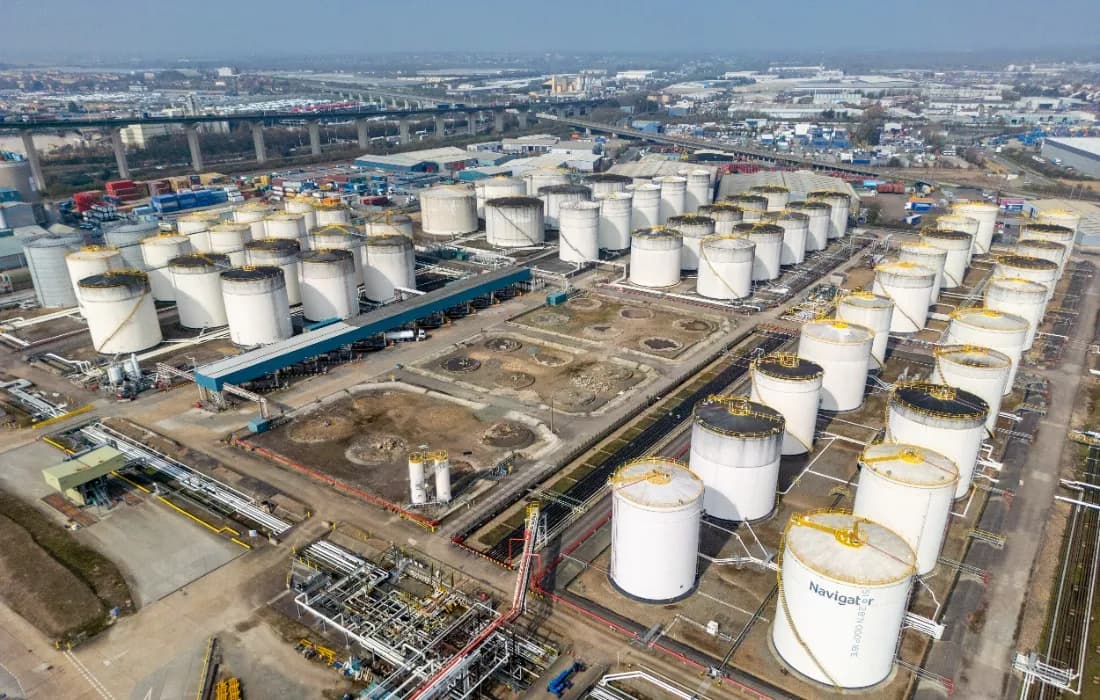
Oil prices increased while US stock futures dipped after President Donald Trump rejected Iran's latest offer to reopen the Strait of Hormuz. The S&P 500 futures fell approximately 0.2% in early Asian trading.
Market Movements
Oil prices advanced as US stock futures experienced a decline, following President Donald Trump's rejection of Iran's proposal to reopen the strategically vital Strait of Hormuz. Despite the rejection, Trump indicated that negotiations could resume this week.
The S&P 500 futures dropped about 0.2% during early Asian trading, after the index gained 0.5% the previous Friday. In contrast, Brent crude oil saw an increase of 1.5%, and the dollar experienced a slight rise against most major currencies.
Geopolitical Factors
Iran reiterated its proposal to reopen the Strait of Hormuz within seven days, insisting that its conditions would not change. Trump, while dismissing Tehran's latest offer, noted that he expects negotiations to continue this week. He also mentioned he is seriously considering a ban on diesel exports.
Oil remains a significant factor affecting markets, with rising energy costs contributing to inflationary pressures and increasing expectations for further interest rate hikes. The average yield on a global bond benchmark surpassed 4% for the first time since 2007, raising concerns about how higher financing costs could eventually impact corporate profits.
Economic Insights
Nick Twidale, chief market analyst at AT Global Markets, commented that the geopolitical developments over the weekend are likely to keep volatility high in global markets. This week could see continued volatility, particularly with the Federal Reserve's preferred inflation indicator and US employment reports expected to influence the anticipation of at least one more interest rate hike this year.
Several Fed officials have highlighted resilient economic growth and a strong labor market as reasons that might necessitate additional monetary tightening. Cleveland Fed President Beth Hammack noted that these factors, along with concerns about government debt, are driving long-term Treasury yields higher. Market participants are fully pricing in at least one more 25 basis point increase before the year ends.
In a contrasting tone, Treasury Secretary Scott Bessent suggested that policymakers should remain open-minded regarding interest rates, as productivity gains from artificial intelligence and deregulation could help mitigate inflation.
Additionally, Trump is set to have dinner with Dario Amodei, CEO of Anthropic PBC, on Sunday, where discussions will focus on the recent calls to slow the development of new AI models. Trump stated, "Let's talk about it," emphasizing a forward-looking approach.
This article is for information only and is not investment advice.