
OPEC+ Maintains Oil Production Quota for November
Written with artificial intelligence.
On November 4, OPEC+ decided to keep its oil production quota at 31 million barrels per day for November, marking the second consecutive month of no change. The decision was made during an online meeting involving seven member countries, including Saudi Arabia, Iraq, and Russia.
OPEC+ Decision Details
During its monthly meeting on November 4, the Organization of the Petroleum Exporting Countries (OPEC) plus allied nations resolved to maintain the oil production quota for November at 31 million barrels per day. This decision marks the second month in a row that the quota has remained unchanged.
The meeting involved seven countries, including Saudi Arabia, Iraq, and Russia. Prior to September, OPEC+ had increased its production quota for six consecutive months and ended a voluntary cut of 1.65 million barrels per day that began in May 2023.
As of August, the actual production from these countries was approximately 25 million barrels per day, an increase of 600,000 barrels from July. However, this production level is significantly below the August quota of 30.8 million barrels and also below the production level prior to the U.S.-Iran military conflict in 2025, which was around 28.6 million barrels per day.
Future Considerations
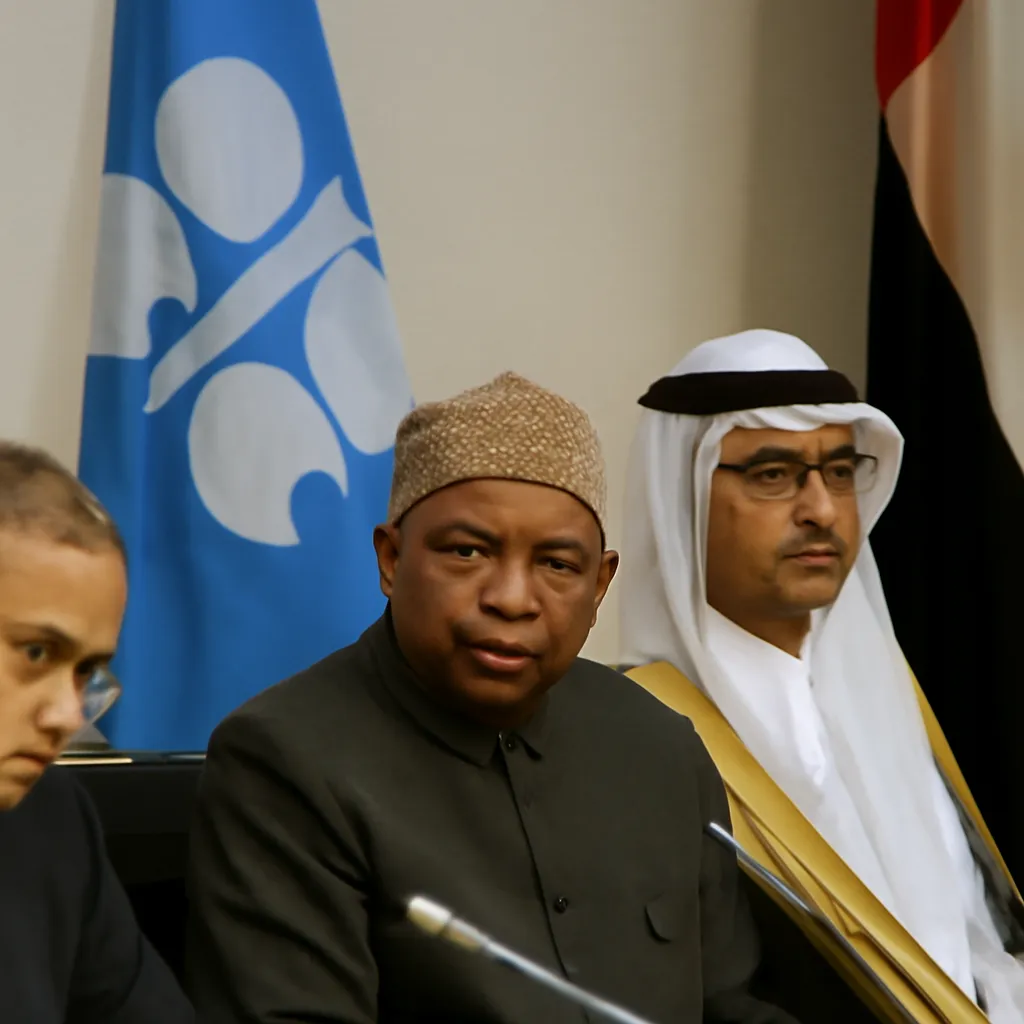
Looking ahead, discussions regarding production policies for 2027 are expected to take place during the ministerial meeting scheduled for November 29. Iraq and other member nations are anticipated to push for a significant increase in the production quota, which could lead to challenging negotiations. Additionally, some countries, including Angola and the United Arab Emirates (UAE), have previously expressed dissatisfaction with their small quotas, leading to their exit from OPEC+ in 2024 and May 2026, respectively.
OPEC+ sets production quotas based on each country's production capacity, calculated using data submitted by private sector third parties. Although the assessment was planned for completion by the end of September, it may be delayed until mid-November due to late data submissions from some member countries. The ongoing U.S.-Iran military conflict has further complicated investment in capacity expansion. The next meeting of the seven countries is scheduled for November 1.