
Producer Prices Surge 6.3% Annually in September, Highest Since 2022
Written with artificial intelligence.

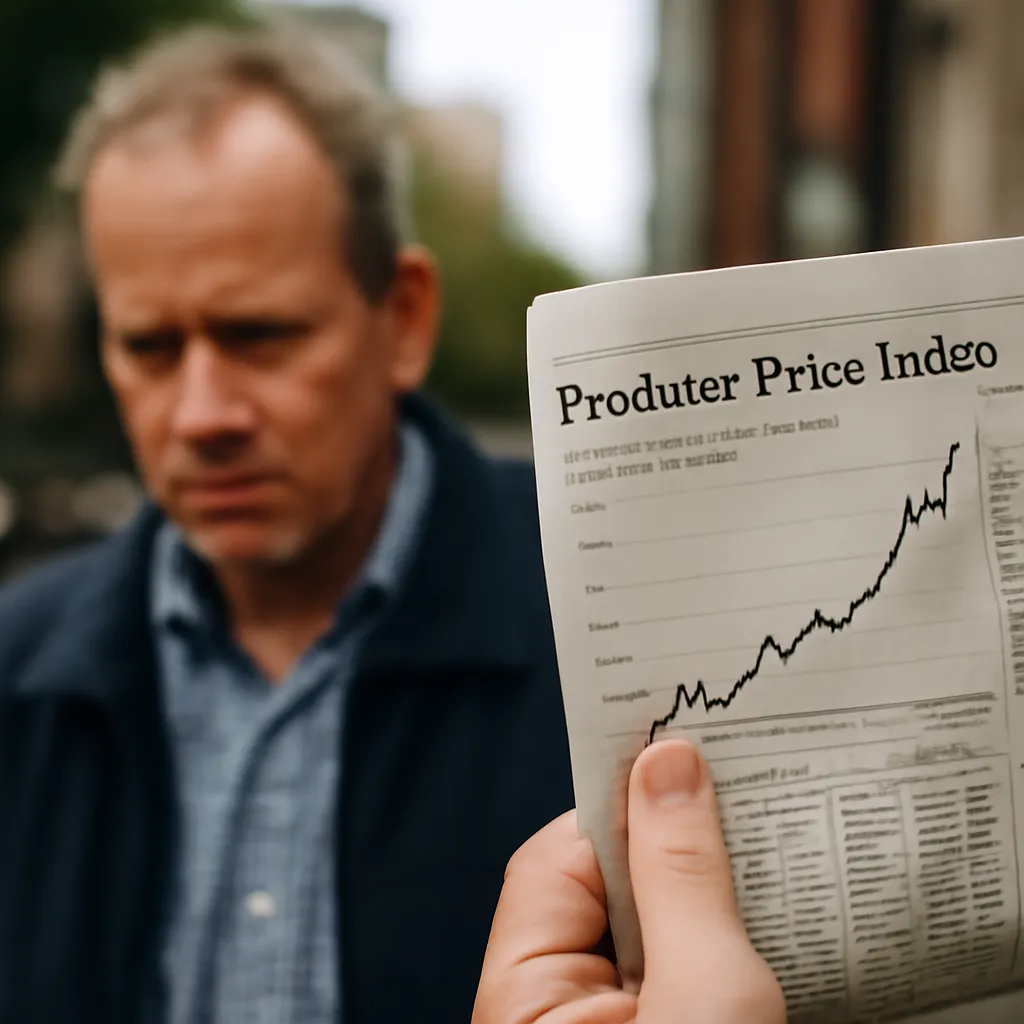
The Producer Price Index (PPI) rose 1.3% in September, leading to a 6.3% annual increase, driven largely by surging energy costs amid geopolitical tensions. Retail sales also saw a 0.8% increase, surpassing expectations, yet a slowdown from the previous month suggests consumers are feeling the effects of rising prices.
Key Inflation Data for September
September's Producer Price Index (PPI) exceeded expectations, climbing 1.3% month-over-month and 6.3% annually, marking the largest gains since March and December 2022, respectively. This data was released by the Bureau of Labor Statistics, indicating persistent inflationary pressures, particularly in the energy sector due to ongoing conflicts in the Middle East.
Core PPI and Retail Sales Insights
The core PPI, which excludes food and energy prices, increased by 0.7% for the month and 5% over the past year. Energy prices notably influenced the overall PPI rise, with diesel fuel prices being a significant factor. Meanwhile, retail sales data showed a 0.8% increase in September, outpacing the anticipated 0.4%, although this represents a slowdown from more than 1% growth in August.
Federal Reserve Rate Hike Expectations
The recent inflation data has led to a shift in expectations regarding Federal Reserve interest rate decisions. Currently, there is a nearly 34% likelihood of a rate hike on October 28, up from under 18% just a week ago. Analysts suggest that continued inflationary trends will compel the Fed to consider further increases this year.
Economic Context Ahead of Elections
These reports come as critical insights into inflation trends in the U.S. ahead of the midterm elections, which may influence political dynamics in Washington. The combination of rising prices and slowing consumer spending could have significant implications for economic policy moving forward.
This article is for information only and is not investment advice.