
SEC Proposes New Rules for Crypto Custody by Investment Firms
Written with artificial intelligence.

The U.S. Securities and Exchange Commission has introduced a proposed rule to clarify how investment firms can manage and safeguard customer crypto assets. This proposal aims to provide a structured regulatory environment for crypto custody and coincides with the departure of Commissioner Hester Peirce, who has been instrumental in the agency's crypto initiatives.
Overview of the Proposed Rule
On Thursday, the U.S. Securities and Exchange Commission (SEC) unveiled a proposal aimed at clarifying the custody of crypto assets by investment firms. SEC Chairman Paul Atkins stated that this framework would eliminate the uncertainty surrounding existing custody rules, which were not designed for modern digital assets.
Key Features of the Proposal
The 760-page proposal outlines several important aspects:
- Self-Custody: Investment advisers may self-custody client funds only if a qualified custodian is unavailable. This requirement emphasizes the need for expertise in managing crypto assets.
- Regulatory Clarity: The proposal specifies which companies can hold crypto assets and mandates record-keeping and federal disclosures for investment advisers and regulated funds.
- State-Chartered Trusts: The use of state-chartered trusts as custodians is now permitted under the proposed rules.
Public Comment Period
The SEC has opened a 60-day public comment period for stakeholders to provide input on the proposal. This move is part of the SEC's ongoing agenda to establish a clearer regulatory framework for digital assets.
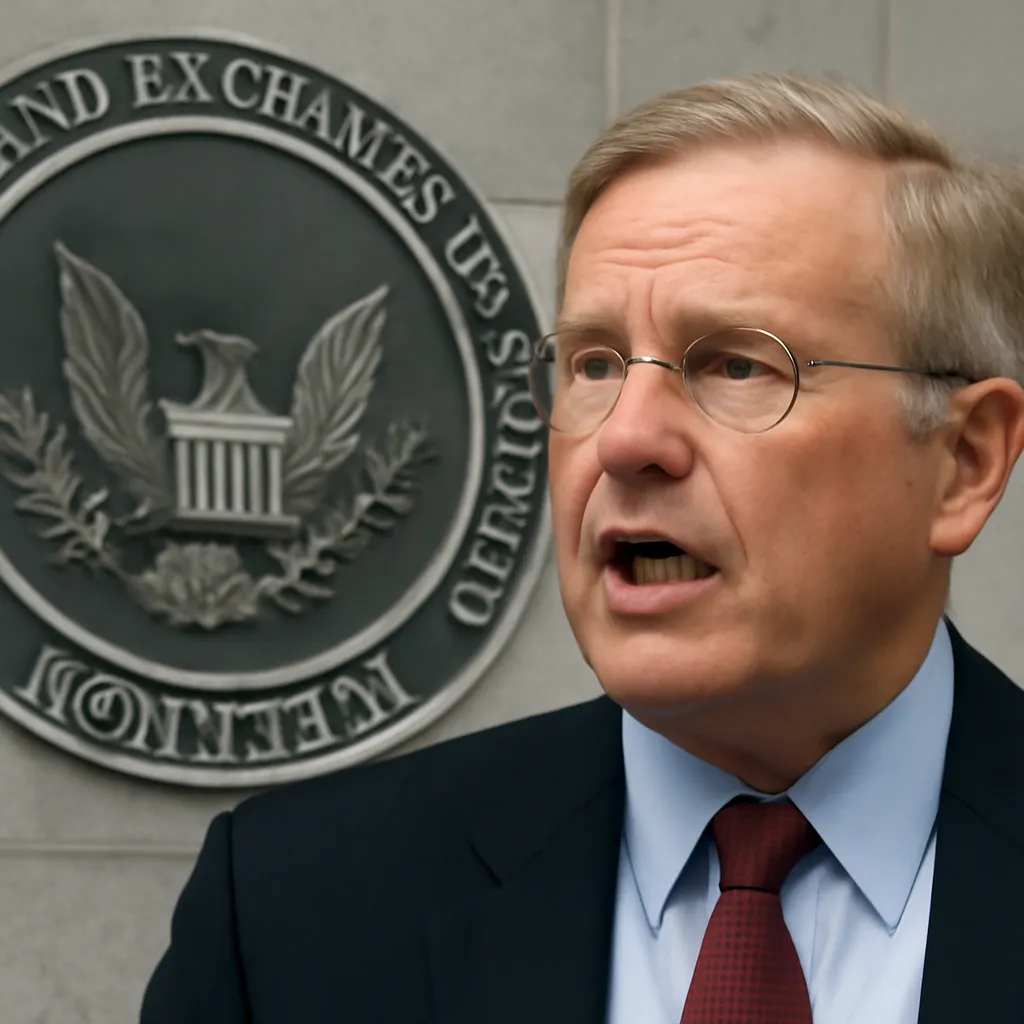
Leadership Changes
The proposal's timing coincides with the departure of Commissioner Hester Peirce, the former head of the Crypto Task Force, who will transition to an academic role in Virginia. Following her exit, the SEC has adjusted its quorum requirements, now allowing decisions to be made with just two commissioners instead of three.
This proposal marks the SEC's progress in addressing key issues surrounding crypto assets, following other recent initiatives aimed at regulating digital fundraising and tokenizing securities.
This article is for information only and is not investment advice.