
U.S. Stock Markets Decline Amid Geopolitical Tensions and AI Investment Concerns
Written with artificial intelligence.
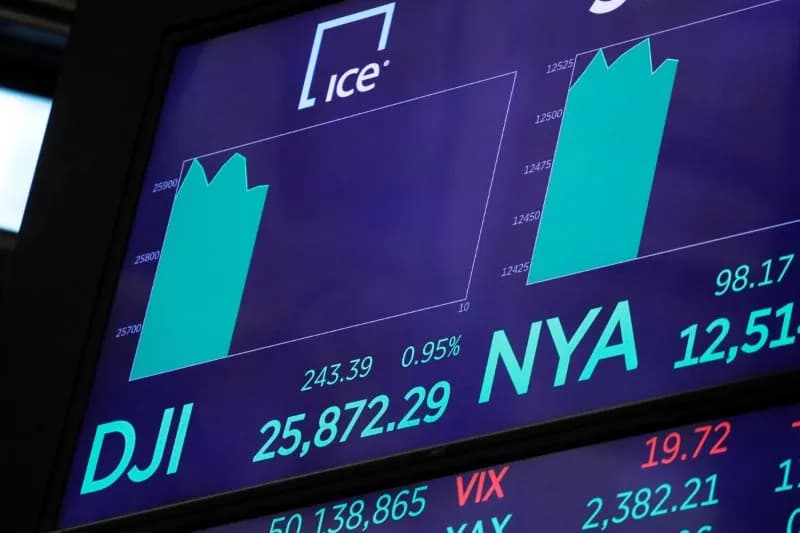
On Friday, September 23, the Dow Jones fell 1.24% to 52,214.63 points, while the S&P 500 dropped 0.52% to 7,623.68 points and the Nasdaq declined 0.21% to 25,955.34 points. The declines were influenced by rising oil prices linked to escalated tensions in the Middle East and ongoing concerns regarding artificial intelligence investments.
Market Performance
The New York stock markets closed lower on Friday, September 23, reflecting rising oil prices amid renewed geopolitical tensions in the Middle East, alongside persistent unease about investments in artificial intelligence (AI).
- Dow Jones: fell 1.24% to 52,214.63 points
- S&P 500: decreased 0.52% to 7,623.68 points
- Nasdaq: dropped 0.21% to 25,955.34 points
For the week, the Dow Jones saw a modest gain of 0.41%, while the S&P 500 and Nasdaq posted declines of 0.47% and 0.71%, respectively. Earlier in the day, the Nasdaq attempted to recover from its weekly losses due to disappointment with results and investment plans from major tech companies but subsequently fell back.
Sector Insights
According to Capital Economics, most S&P 500 companies have so far managed to overlook the recent declines in tech stocks, largely supported by lower Treasury yields. However, the firm anticipates a potential drop in AI stocks, non-tech shares, and Treasury yields if concerns about capital expenditures (capex) grow.
In the tech sector, despite a nearly 7% drop on Thursday, Meta continued its downward trend, falling 0.96% amid fears regarding its high investments in AI. CoreWeave, emblematic of the current tech crisis, also declined over 2% after a 10% drop in the previous session.
On a positive note, the energy sector gained 2.51%, driven by rising oil prices, with Chevron and ExxonMobil increasing by 2.88% and 2.79%, respectively. Additionally, shares of Lycia Therapeutics soared 66% in its market debut, following a successful IPO that raised $317.5 million, priced at the upper limit of expectations.
This article is for information only and is not investment advice.