
U.S. Treasury Withdraws $10,000 Crypto Reporting Rule
Written with artificial intelligence.
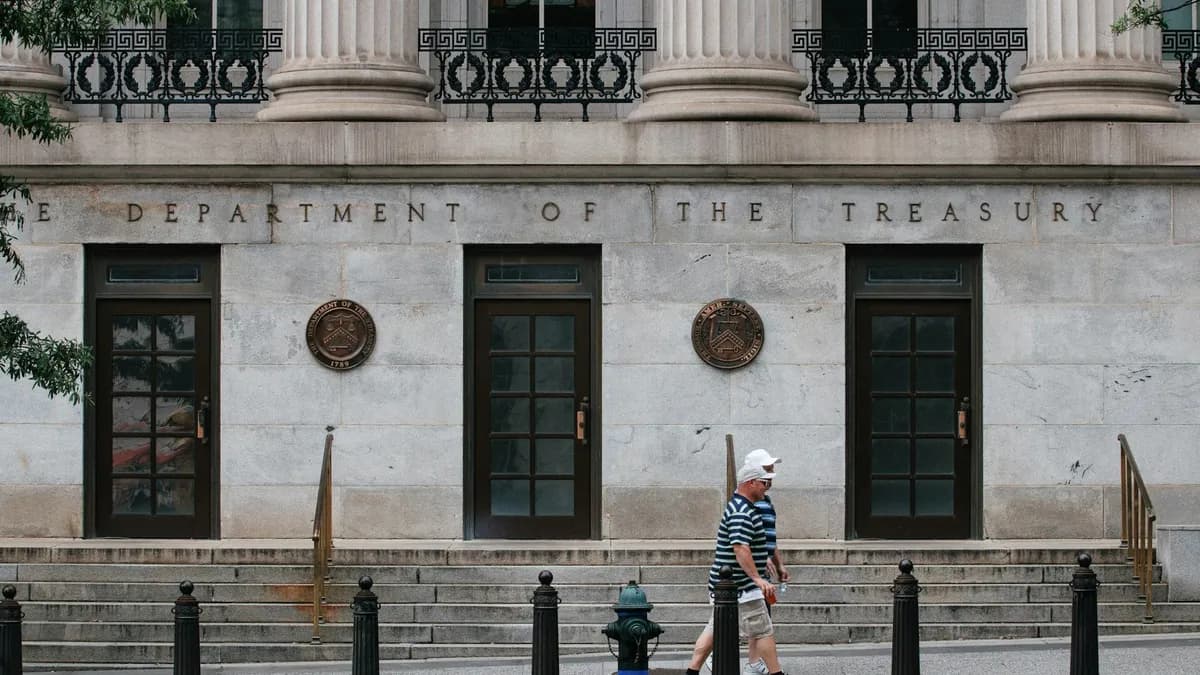
The U.S. Treasury Department has retracted a long-standing proposal requiring financial institutions to report large crypto transactions to self-custody wallets. This decision follows years of public feedback and regulatory discussions without implementation.
Withdrawal of the Proposal
The U.S. Treasury Department has officially withdrawn a proposal from December 2020 that aimed to enforce stricter reporting requirements on banks and crypto businesses. This rule would have mandated the collection and reporting of information when customers transferred over $10,000 in cryptocurrency to unhosted wallets, which are wallets where users manage their own private keys.
Background on the Rule
The proposed regulation would have required not only the reporting of large transactions but also the gathering of details about the customer and the receiving wallet. This initiative, which was part of a wider deregulatory agenda during the Trump administration, faced significant public scrutiny, resulting in thousands of comments over nearly six years without resolution.

Additional Withdrawn Proposal
In conjunction with the withdrawal of the wallet reporting rule, the Financial Crimes Enforcement Network (FinCEN) also scrapped a 2023 proposal that sought to classify transactions involving crypto mixers as a primary money-laundering concern. This would have allowed for additional regulatory burdens on financial institutions dealing with such transactions.
The U.S. Treasury Department's decision reflects a shift towards making digital asset regulations more practical and aligned with current market conditions.
This article is for information only and is not investment advice.