
China's October Trade Data: Exports Rise, Imports Surge, Surplus Narrows
Written with artificial intelligence.

In October, China reported a 35.2% year-on-year increase in exports, exceeding forecasts, while imports surged by 41.6%, leading to a narrower trade surplus of approximately $105 billion. The import surge may indicate stronger domestic demand, potentially benefiting commodity exporters.
Overview of China's Trade Performance in October
China's trade figures for October showed stronger-than-expected performance with exports rising 35.2% year-on-year in dollar terms, surpassing the 33.5% forecast from a Reuters poll. However, this growth was slightly slower compared to September's 36.3%. Meanwhile, imports experienced a significant jump of 41.6%, far exceeding the anticipated 32% increase and up from 31% in September.
Impact on Trade Surplus
The increase in imports resulted in a trade surplus that narrowed to about $105 billion, falling short of the anticipated $126 billion and down from approximately $134 billion the previous month. This shift in trade dynamics is noteworthy as it may indicate a change in the underlying economic conditions within China.
Drivers of Export Growth
The continued demand for AI-related hardware appears to be a key driver of China's export growth. Economists suggest that shipments of components like printed circuit boards, memory chips, and optical transceivers have significantly contributed to this surge. Despite concerns regarding a potential slowdown in new export orders, the data indicates robust momentum in trade.
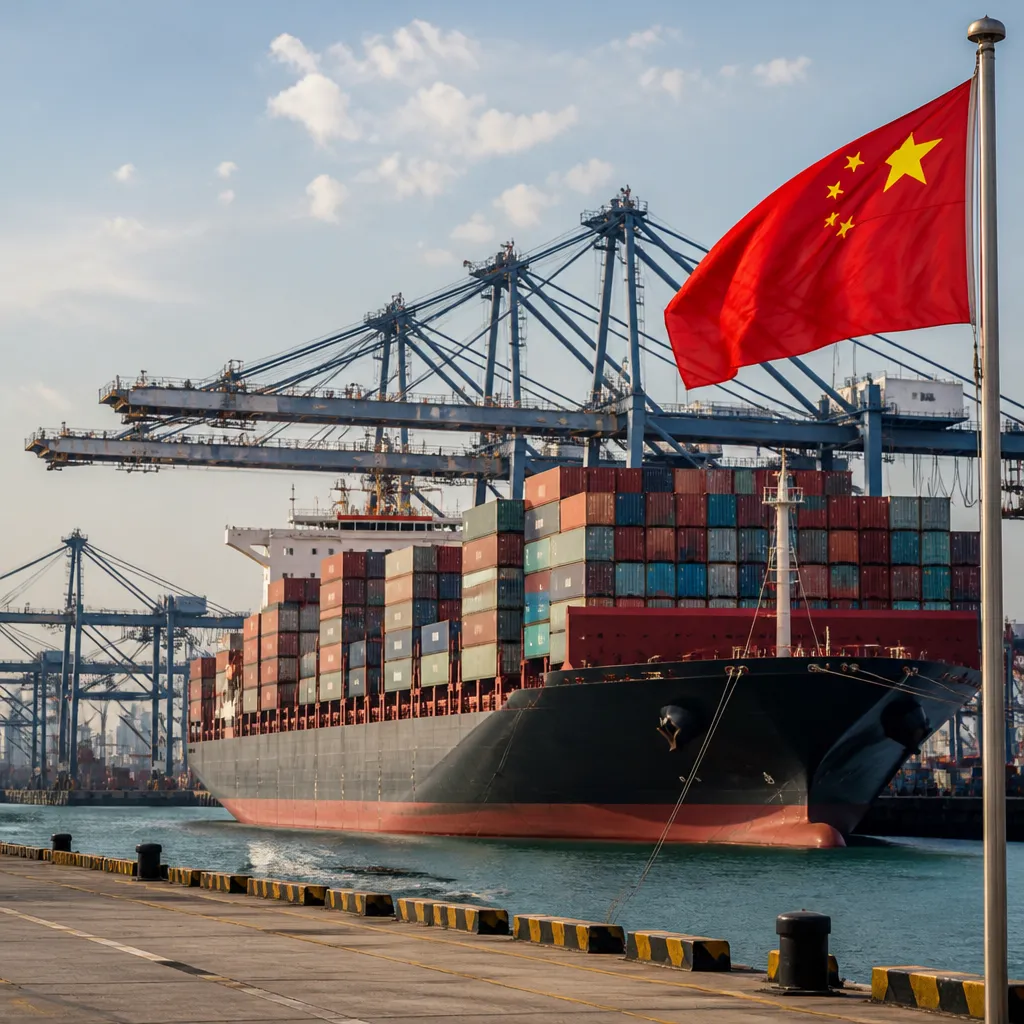
The Import Surge and Its Implications
The reasons behind the surge in imports remain unclear without detailed breakdowns. Higher prices for crude oil and other commodities could inflate the value of imports, while increased shipments of components for assembly may also play a role. Upcoming customs data is expected to clarify how much of the rise is attributed to price increases versus actual volume.
Context and Future Considerations
These trade figures emerge at a critical time for Beijing, as Chinese stocks face pressure, prompting government support measures. Trade discussions are expected to be a focal point during the upcoming meeting between US President Donald Trump and Chinese President Xi Jinping at the Asia-Pacific Economic Cooperation summit in Shenzhen. A narrower trade surplus may help alleviate some tension with trading partners, although China's year-to-date surplus remains substantial.
This article is for information only and is not investment advice.