Federal Reserve Raises Interest Rate for First Time Since 2023
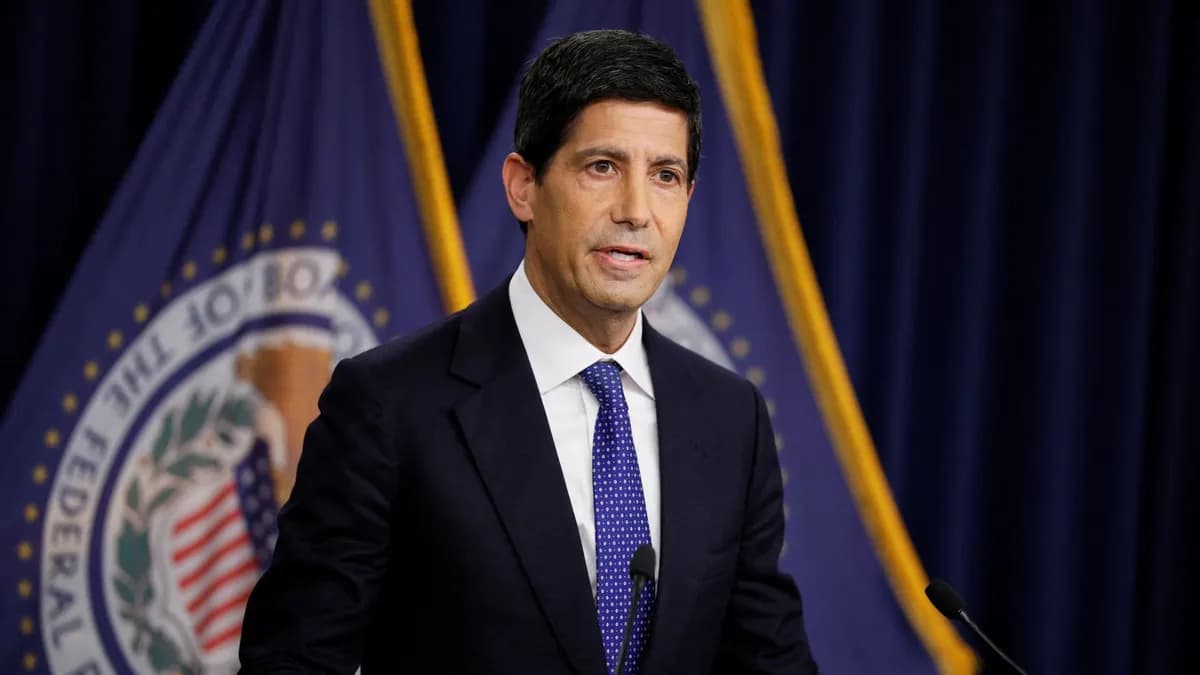
On Wednesday, the Federal Reserve raised its key interest rate by 25 basis points, marking its first increase in over three years. Officials indicated that another hike may occur later this year as they aim to control persistent inflation driven by rising oil prices and other economic factors.
Federal Reserve's Rate Hike
The Federal Reserve's Federal Open Market Committee voted unanimously to increase its key interest rate by a quarter percentage point, bringing the target range to 3.75%-4%. This decision comes as a response to elevated inflation levels, influenced by factors such as rising oil prices and ongoing geopolitical tensions.
Chairman Kevin Warsh emphasized that inflation has remained excessively high and stated, "We must be confident that underlying inflation is moving to our objective clearly and at sufficient speed." This hike is seen as part of a broader strategy to restore price stability, with the committee expressing the possibility of another increase later this year.
Economic Context
Recent economic data suggests that while the economy, including the labor market, is performing robustly, inflation persists above the Fed's 2% target. The committee's updated projections indicate that 16 of the 18 officials anticipate at least one more rate hike in 2026, with some even considering two additional increases. Although there are no hikes anticipated for subsequent years, officials have adjusted their inflation expectations upward for this year.

Market Reaction
Following the announcement, the S&P 500 index showed gains, and Treasury yields adjusted, reflecting investor sentiment regarding the Fed's commitment to controlling inflation. The 10-year Treasury note has seen notable increases since the Fed's earlier communications. Additionally, borrowing costs, such as 30-year fixed-rate mortgages, have surged to 7.19%, marking a significant rise over the past year.
The Fed's decision has sparked discussions about its approach to inflation management, drawing comparisons to past monetary policies. Analysts suggest that this decisive action may reflect a shift towards a more proactive stance as the central bank seeks to navigate ongoing economic challenges.
This article is for information only and is not investment advice.