
MSCI Downgrades Indonesia to Standalone Market, Triggering 11% Stock Plunge
Written with artificial intelligence.
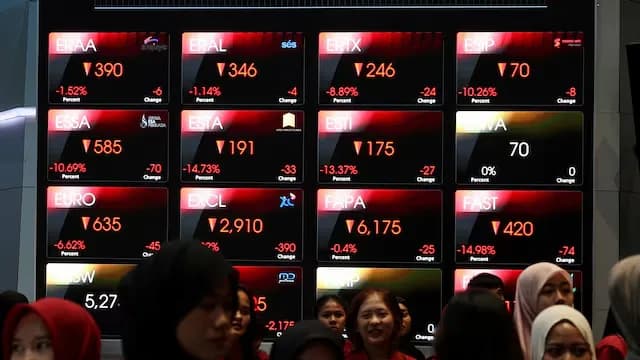
MSCI has initiated a consultation to reclassify Indonesia from emerging market status to a standalone market, resulting in an 11% drop in the Jakarta Composite Index and triggering a trading halt. Goldman Sachs estimates that passive fund outflows could reach $4.9 billion due to governance issues and enforcement failures.
MSCI's Decision and Market Reaction
MSCI has announced that Indonesia no longer qualifies as an emerging market and will be classified as a standalone market, a downgrade more severe than the previously feared frontier market status. On October 15, the Jakarta Composite Index fell sharply, opening down 8% and triggering a 30-minute trading halt. When trading resumed, the decline deepened to 11%, marking the largest single-day drop since January 1998.
Impact on Currency and Fund Flows
The Indonesian rupiah also faced pressure, dropping to 18,070 against the US dollar, nearing its historical low. Goldman Sachs has projected that passive fund outflows could reach up to $4.9 billion, as the downgrade requires funds to sell Indonesian stocks without the support of incoming frontier market investments.
Governance Concerns
Market analysts have pointed to significant governance issues as the primary cause of the downgrade. Felix Darmawan from BCA Securities stated that the decision is a major blow to Indonesia's credibility, highlighting a lack of transparent governance and enforcement. Others, like Angus Mackintosh from Aletheia, noted that while there have been improvements in visibility and liquidity, the failure to punish market manipulators remains a critical flaw.
Economic Consequences
Experts warn that ongoing capital outflows could force the Indonesian central bank to raise interest rates to stabilize the currency, which could further harm GDP growth and deter foreign investment. The situation is seen as part of a self-reinforcing negative cycle. As John Foo from Valverde put it, this could lead Indonesia to be viewed as a "pariah market" with potential for total foreign capital withdrawal.
Looking Ahead
MSCI's final decision is expected around November, leaving a narrow window for Indonesian officials to negotiate and implement reforms. However, analysts remain skeptical about the market’s patience in light of the current turmoil and governance challenges.
This article is for information only and is not investment advice.